COFDM Soldier Wireless Systems in Water Utility Operations
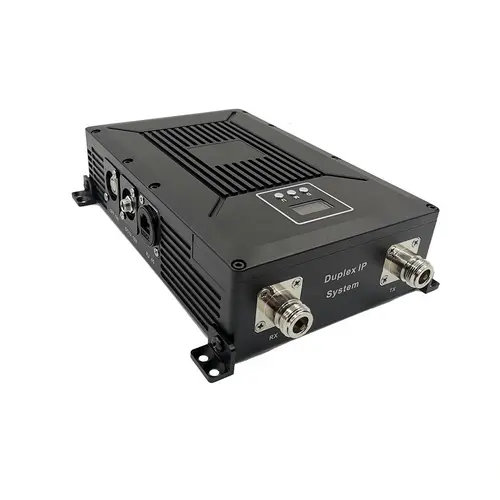
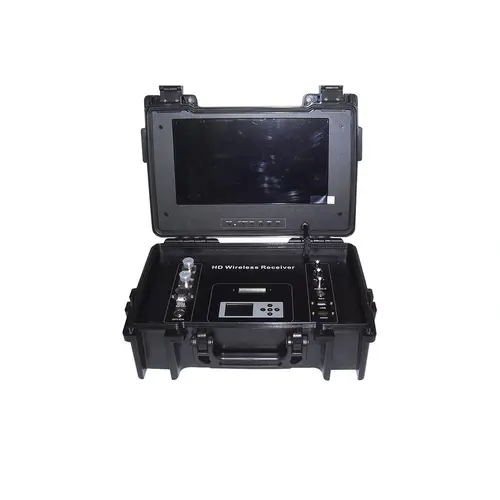
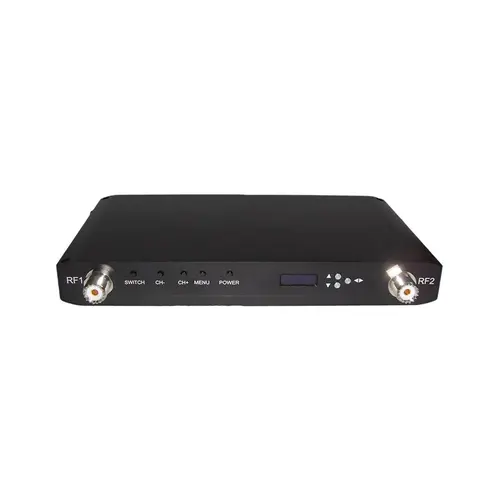
Sdison Technology (Shenzhen) COFDM soldier wireless video transmission equipment has been successfully deployed at Shenzhen Water Group, bringing real-time video monitoring capabilities to the city’s water infrastructure operations. While soldier wireless systems are most commonly associated with military and public safety missions, their robust COFDM transmission technology and portable form factor make them equally valuable for critical infrastructure applications.
Why COFDM Technology Matters for Utility Infrastructure
Coded Orthogonal Frequency Division Multiplexing (COFDM) is the cornerstone modulation scheme behind modern soldier wireless video transmission systems. Unlike conventional single-carrier transmissions, COFDM distributes data across hundreds or thousands of orthogonal sub-carriers. This provides two decisive advantages for water utility environments:
- Non-Line-of-Sight (NLOS) Performance: COFDM signals can penetrate obstacles including building walls, underground pipes, and vegetation, maintaining a stable video link even when the operator is not in direct visual contact with the receiver
- Multipath Resilience: In urban environments where signals reflect off structures and create interference, COFDM’s multi-carrier structure actually uses reflected signals constructively rather than treating them as noise
These characteristics are essential for water utility personnel who must inspect underground pipelines, monitor reservoir facilities, and coordinate emergency response in built-up urban environments. The soldier wireless video transmission system provides command staff with live visual intelligence from locations where conventional radio links would fail.
Applications at Shenzhen Water Group
The deployment at Shenzhen Water Group enables several mission-critical functions:
- Pipeline Inspection: Field crews transmit live video from underground pipeline access points to the central monitoring station, allowing engineers to assess structural conditions remotely
- Reservoir and Facility Patrol: Security personnel carry the compact soldier wireless system during perimeter patrols, maintaining real-time visual feeds to the security operations center
- Emergency Response: During water main breaks or flood events, first responders equipped with soldier wireless transmission systems provide command staff with immediate eyes-on-the-ground footage, improving coordination and resource allocation
Sdison’s soldier wireless video transmission equipment operates in frequency bands that avoid interference with existing utility communication systems, and the lightweight manpack design ensures operators can carry the system for extended shifts without fatigue.
Conclusion
The successful application of COFDM soldier wireless video transmission systems at Shenzhen Water Group demonstrates that tactical-grade wireless transmission technology has broad value beyond defense. Water utilities, energy companies, and other critical infrastructure operators can benefit from the same NLOS resilience, encryption security, and real-time video capability that military users rely on. Sdison Technology continues to adapt its soldier wireless product line for the unique requirements of the civil infrastructure sector.